
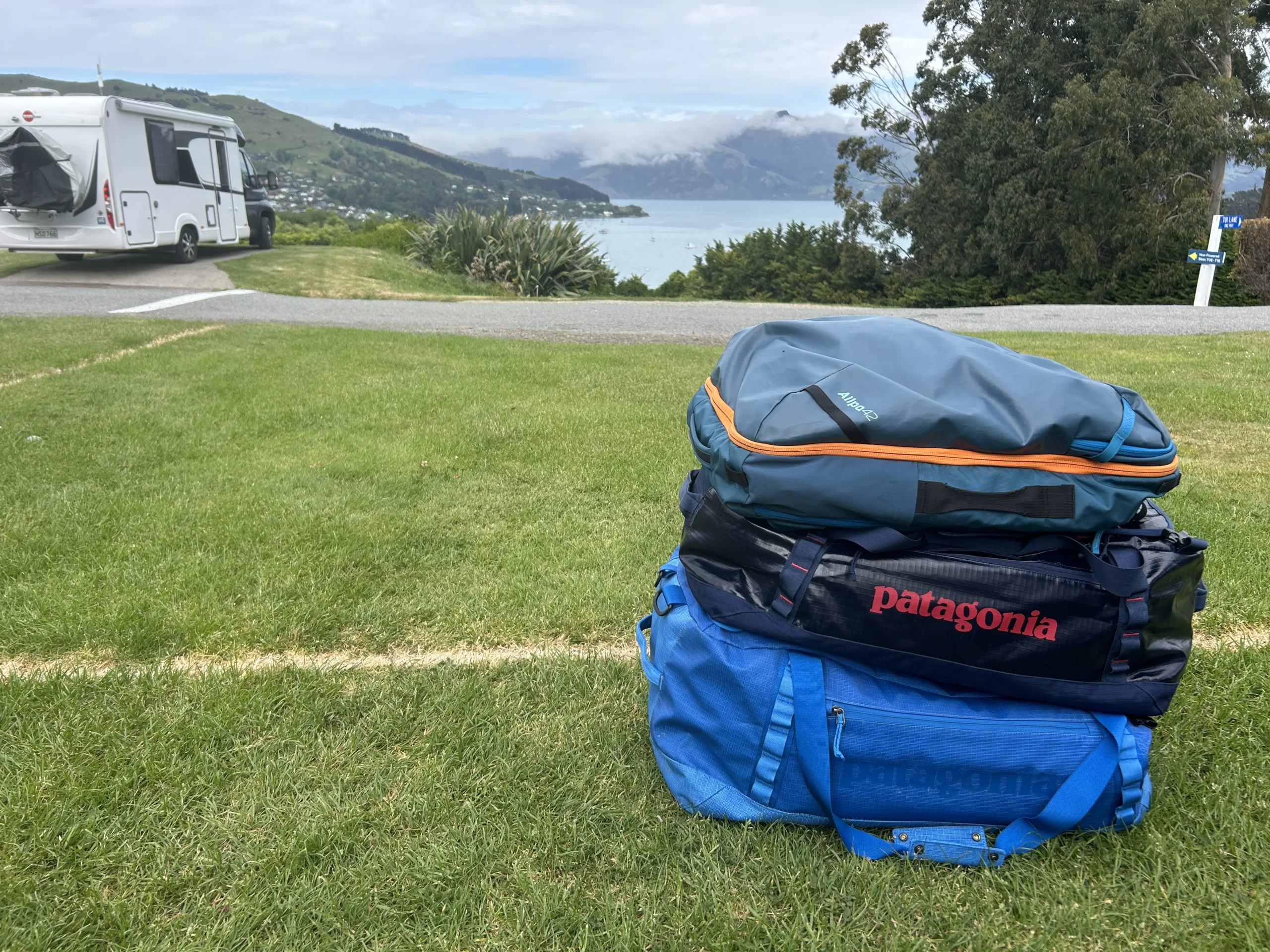
Every first-time visitor asks me the same question: “What’s the weather like in New Zealand?”
And every time, I pause. Because after 11 years living in Christchurch, I still can’t give a simple answer. New Zealand weather doesn’t follow the rules. It doesn’t care about your itinerary. And if you pack wrong, you’ll either sweat through your first day or spend your second day shivering in shorts.
In this guide, I’ll give you the complete New Zealand packing list — the one I hand to every friend visiting us. No fluff, no generic “bring layers” advice. Just what actually works, from someone who’s lived through every season here with a family of four.
Why New Zealand Weather Is Genuinely Unpredictable
Here’s a real example. The day I’m writing this in Christchurch, it hit 29°C. Clear skies, barely a cloud. Tomorrow? Rain forecast, high of 19°C.
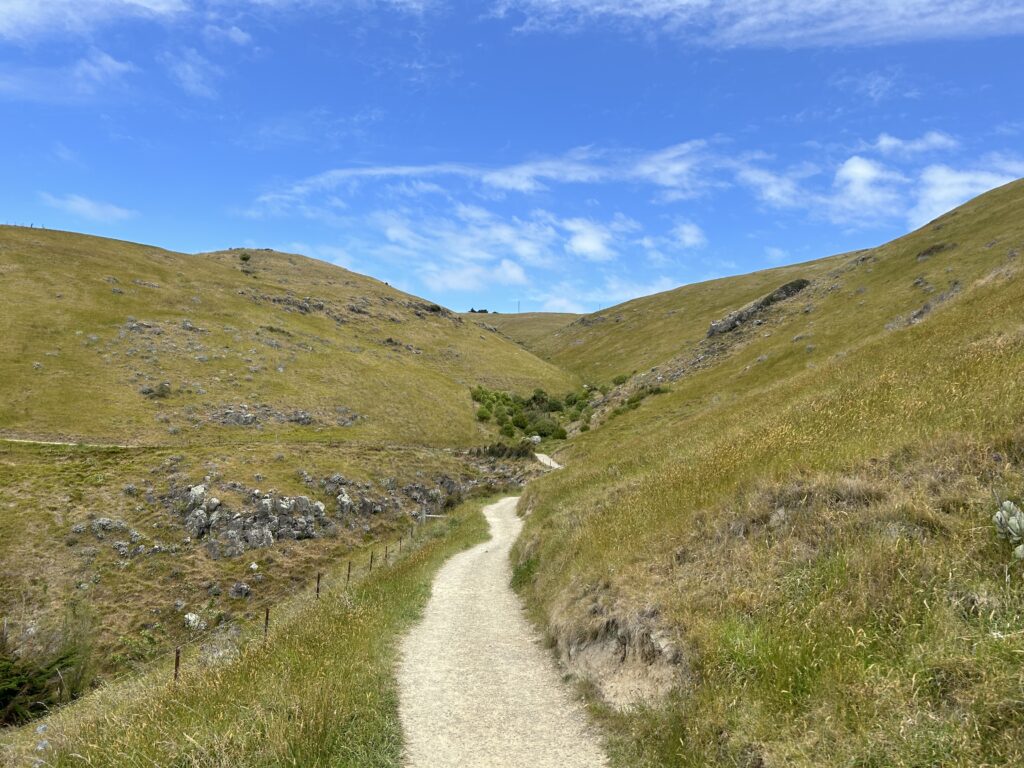
That’s a 10°C swing in 24 hours. In the same week. In summer.
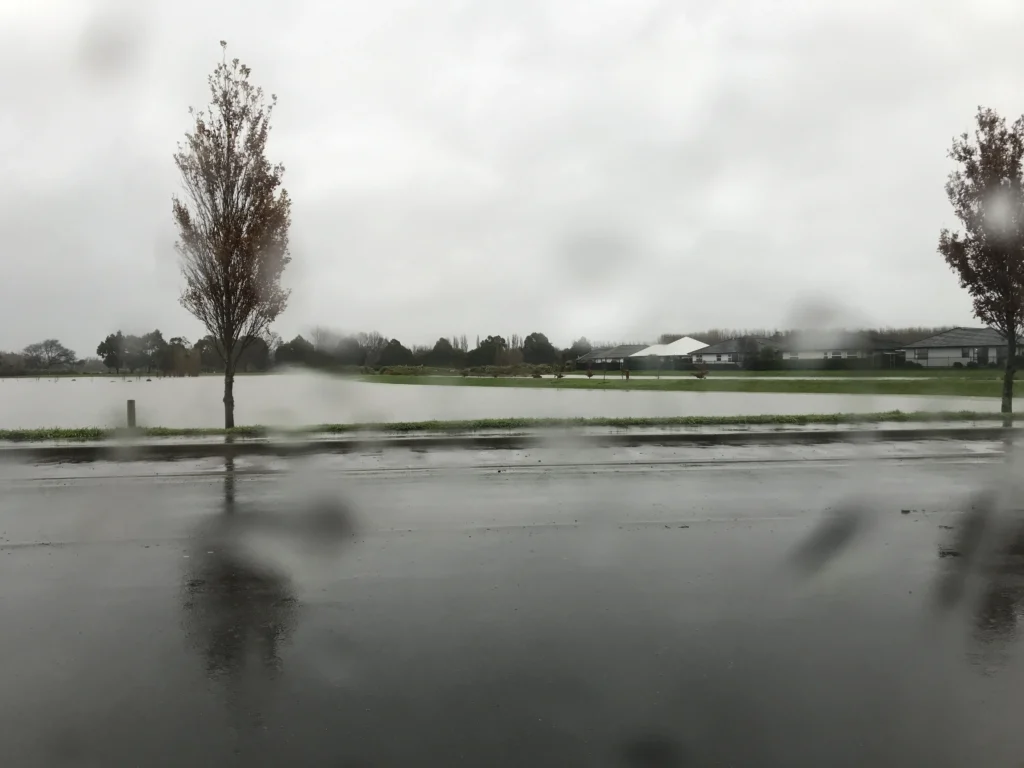
This isn’t a freak event — it’s just Tuesday in New Zealand.
A few things make NZ weather unlike most places:
The UV is brutal. Even on a mild 22°C day, you can burn faster here than on a 35°C day in Korea. New Zealand has some of the highest UV levels in the world due to the thin ozone layer. Sunscreen isn’t optional — it’s non-negotiable, even in winter.
Wind changes everything. A 25°C day with a southerly wind blowing off the Southern Alps can feel like 15°C in the shade. The same temperature with no wind and full sun feels like 32°C. Temperature alone tells you nothing.
The shade is actually cool. Unlike Korean summer where shade offers minimal relief, a NZ summer shade is genuinely refreshing. Which sounds nice — until you realize stepping out of shade means stepping back into intense UV.
Rain arrives fast. Christchurch is drier than most of NZ, but a “clear morning” can turn into an afternoon downpour with zero warning. South Island’s west coast (Queenstown, Milford Sound, Franz Josef) is one of the wettest places on earth.
The practical takeaway: you cannot pack for one weather condition. You pack a system.
The New Zealand Packing List: The Layering System
Forget packing heavy. Forget packing light. Pack layerable.
This is the system our family of four uses year-round, and it works whether we’re hiking the Hooker Valley Track or just doing a city day in Christchurch.
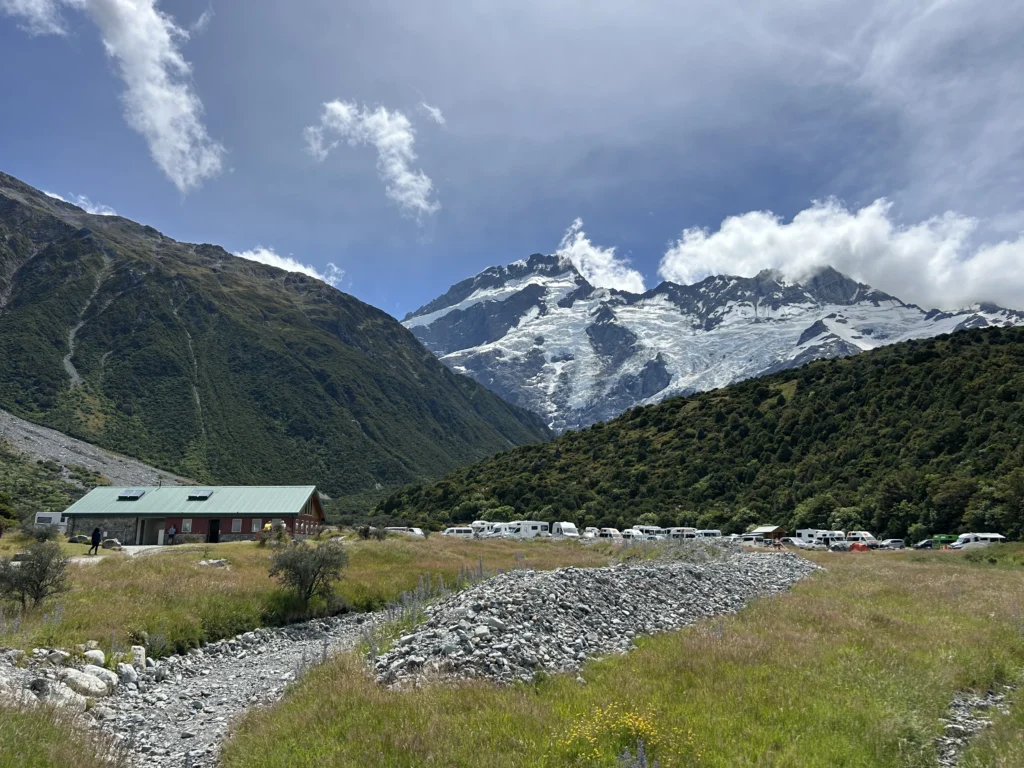
Layer 1: Base (T-shirts + Shorts/Lightweight Pants)
Pack for the warm part of the day. In summer, you’ll genuinely wear tank tops and shorts. Don’t skip these thinking “NZ is cold” — it’s not.
- 3–4 t-shirts (moisture-wicking if hiking)
- 2 pairs of shorts or lightweight pants
- 1 pair of light long pants (for cooler evenings or air-conditioned restaurants)
Layer 2: Mid (Hoodie or Fleece)
This is your most-used item. You’ll throw it on when the wind picks up, step into a shaded café, or when the sun dips behind a cloud.
- 1 zip-up hoodie or fleece jacket
- A slightly heavier one if you’re going to the South Island in autumn/winter
Layer 3: Outer (Rain Jacket)
This is not optional. I repeat: a rain jacket is not optional in New Zealand.
You don’t need a heavy waterproof hiking jacket for a city trip. A packable, lightweight rain jacket fits in your daypack and saves you constantly. I’ve pulled mine out at least twice on every single trip around the country.
- 1 packable rain jacket
Layer 4: Warmth (Light Down or Synthetic Puffer)
This surprises a lot of visitors: you don’t need a heavy winter coat for most of NZ, even in winter. Why? Because New Zealand rarely goes truly sub-zero in populated areas (Christchurch, Auckland, Wellington, Queenstown). And when you’re outside, you’re moving.
What you do need is a light-to-medium puffer for:
- Evening meals in Queenstown in June
- Morning walks when it’s 4°C
- Sitting at outdoor café in Christchurch in July
A packable 600-fill-power down jacket or a decent synthetic puffer is all you need.
⚠️ Local Warning: NZ homes and accommodation are often poorly insulated. It sounds backwards, but indoors can actually be colder than outside on a winter day. Your accommodation may have a heat pump (mini-split AC unit), but budget options often don’t. A fleece or light puffer to wear indoors is genuinely useful.
New Zealand Packing List: Season by Season
Summer (December – February)
Christchurch average: 18–28°C What you’ll experience: Hot midday sun, UV that’ll burn you in 15 minutes, cool evenings, occasional summer rainstorms.
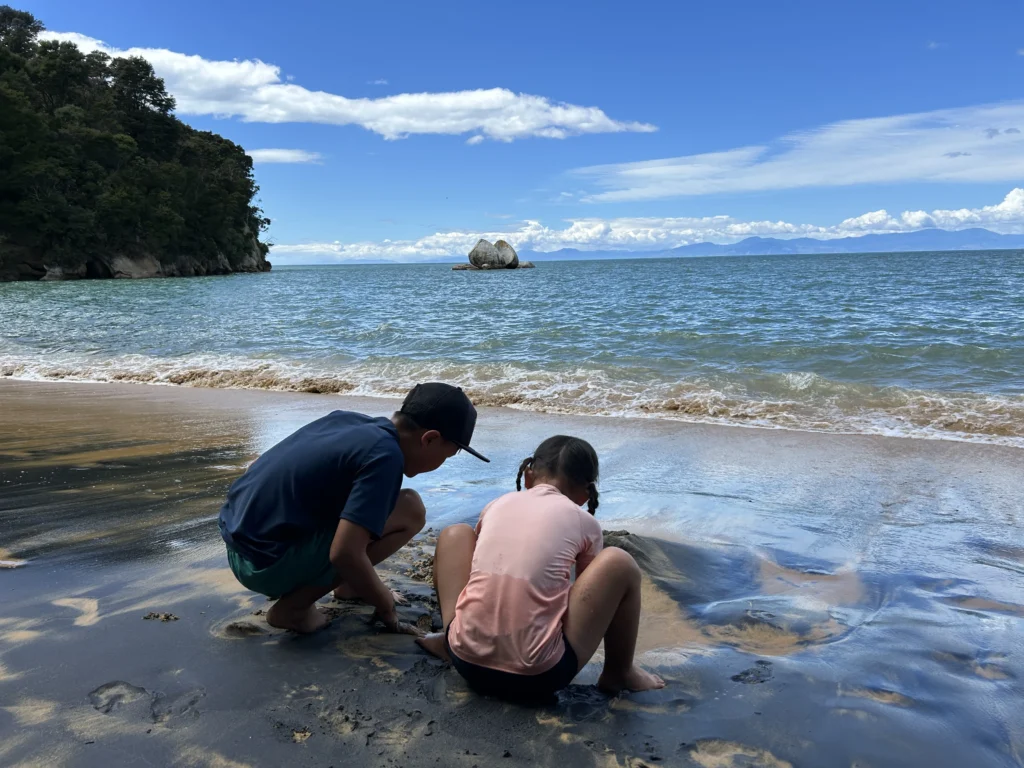
Must-pack for summer:
- Shorts + t-shirts (daily wear)
- Sunscreen SPF 50+ (buy locally or bring plenty — NZ sun is serious)
- Sunglasses + wide-brim hat
- Light rain jacket
- Light hoodie for evenings
- Swimwear (beaches, hot pools, rivers)
- Good walking sandals
💡 Insider Tip: Don’t judge NZ summer by the temperature. 29°C here with UV index of 12 is more intense than 35°C in Seoul. Reapply sunscreen every 2 hours, even on cloudy days.
Autumn & Spring (March–May, September–November)
Christchurch average: 10–22°C What you’ll experience: The most unpredictable season. Can be stunning or miserable within the same day.
Must-pack for autumn/spring:
- Mix of t-shirts and long-sleeve tops
- Light puffer + fleece
- Rain jacket (more essential than any other season)
- Closed-toe shoes
- Light scarf
Winter (June – August)
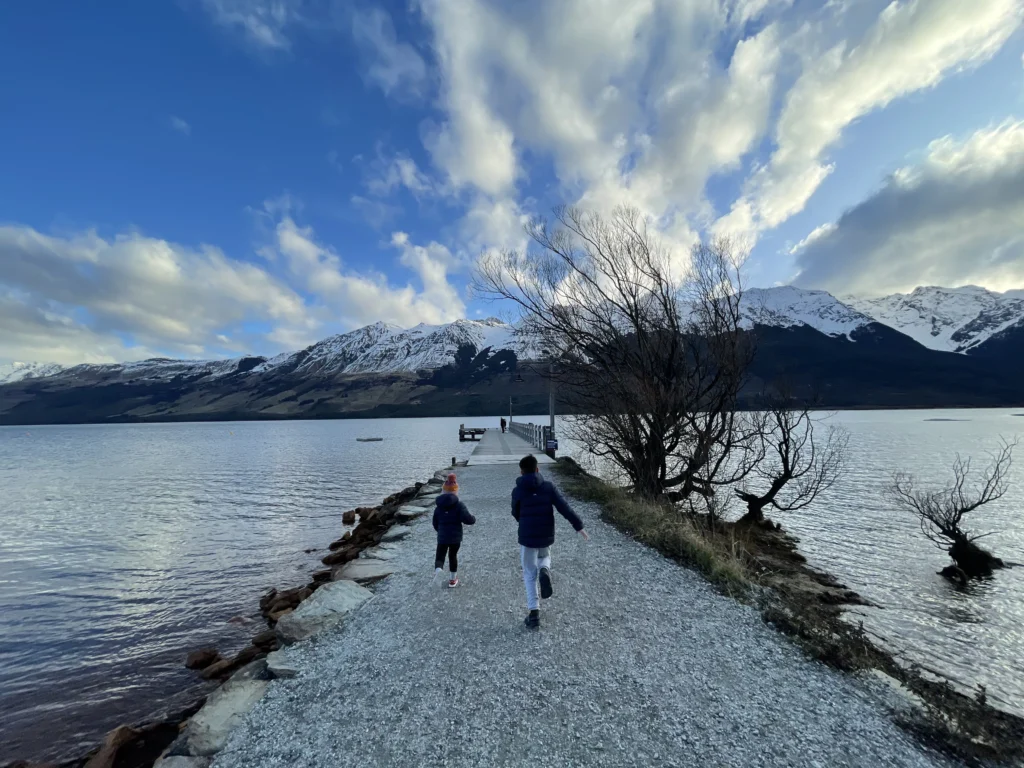
Christchurch average: 5–14°C What you’ll experience: Cold mornings, mild afternoons, frequently sunny (Christchurch is NZ’s sunniest city), cold nights.
Must-pack for winter:
- Thermal base layer (one set is enough)
- Fleece or wool mid-layer
- Medium-weight down jacket
- Waterproof boots or sturdy sneakers
- Beanie and gloves (for skiing or early mornings)
- Rain jacket
⚠️ Local Warning: If you’re skiing at Mt. Hutt or Coronet Peak, pack or rent proper ski gear. Day clothes are not enough on the mountain even in a “mild” NZ winter.
Region-Specific Packing Adjustments
Christchurch & Canterbury (South Island)
Christchurch is NZ’s sunniest and driest city — but the Canterbury Plains funnel wind like a corridor. The “nor’wester” is a warm, gusty wind that can reach 100km/h. The “southerly” is cold and biting.
Add to your list: Windproof outer layer (your rain jacket usually doubles for this).
Queenstown & Fiordland (South Island)
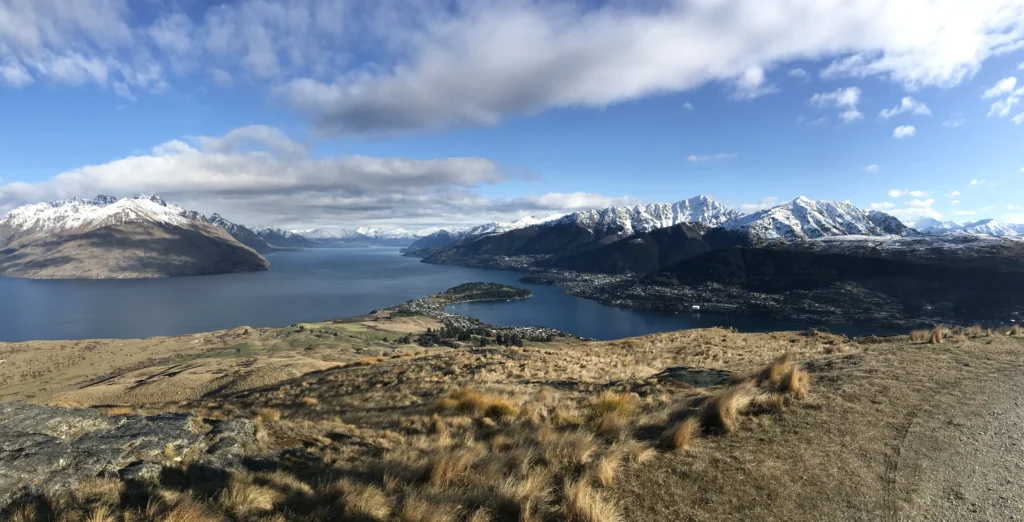
Queenstown is higher altitude and colder. Milford Sound gets 7+ metres of rain per year.
Add to your list: Extra warm layer, serious waterproof jacket if hiking Fiordland.
West Coast (Franz Josef, Greymouth)
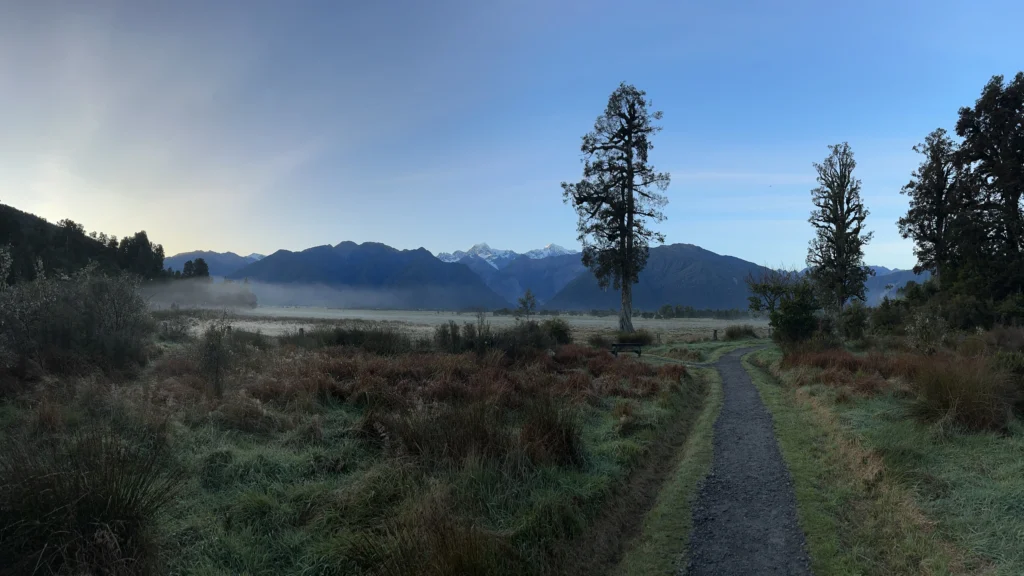
One of the wettest regions on earth. Every day.
Add to your list: Waterproof everything. Leave the white sneakers at home.
Auckland & Northland (North Island)
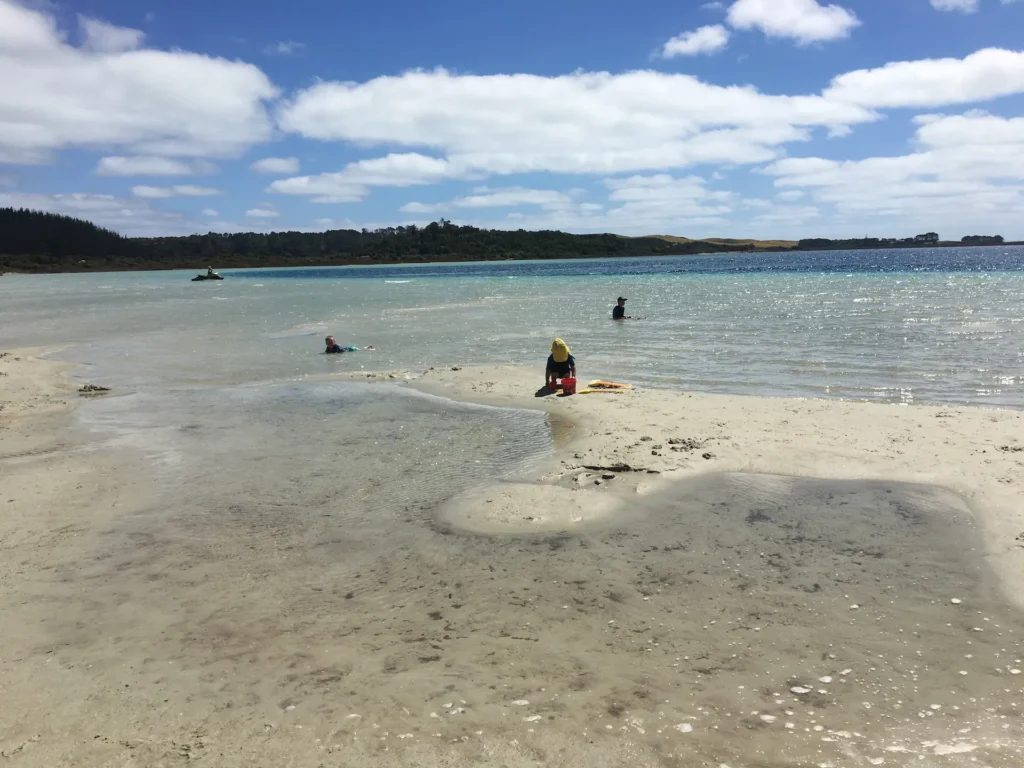
Warmer, more humid. Feels closer to tropical in summer.
Add to your list: Lighter layers, mosquito repellent (sandflies at beaches), reef-safe sunscreen.
Footwear: The Most Underrated Part of the NZ Packing List
Most people get footwear wrong. Here’s the honest breakdown:
| Activity | Footwear |
|---|---|
| City days (CHC, Auckland, Wellington) | Clean sneakers or casual shoes |
| Easy walks (Akaroa, Hanmer) | Trail runners or sturdy sneakers |
| Moderate hikes (Hooker Valley, Port Hills) | Trail runners with grip |
| Serious hikes (Routeburn, Tongariro) | Dedicated hiking boots |
| Beach/rivers | Old sandals or water shoes |
| Skiing | Ski boots (rent on mountain) |
💡 Insider Tip: Don’t overthink it for a city-focused trip. I did the Hooker Valley Track with the family in trail runners. Unless you’re doing multi-day tramping, boots are overkill.
The “Leave This at Home” List
After seeing what visitors pack and regret, here’s what’s genuinely not worth bringing:
- Heavy winter coat — a light puffer handles 95% of NZ winter
- Formal shoes — NZ is casual, even at nicer restaurants
- Umbrella — wind makes them useless. Rain jacket always beats umbrella here.
- Multiple pairs of jeans — heavy, slow to dry, takes up space. One pair max.
- Lots of toiletries — NZ supermarkets (Countdown, Pak’nSave) have everything you need.
What to Buy When You Arrive
You don’t need to pack everything. NZ has excellent retail:
- Sunscreen: The Warehouse, Countdown — buy a big SPF 50 on arrival
- Rain poncho (cheap backup): $5 at any $2 shop if you forgot a jacket
- Sandfly repellent: Essential for beaches and rivers (DEET or Jungle Formula)
- Wool layers: NZ Merino wool is world-class. Pick up a Icebreaker piece if you don’t have one — it’s cheaper here than anywhere.
Quick Reference: The Complete New Zealand Packing List
Clothing
- 3–4 t-shirts / tank tops
- 1–2 long-sleeve tops
- 2 pairs shorts or lightweight pants
- 1 pair long pants (not jeans ideally)
- 1 fleece or hoodie
- 1 light down/puffer jacket
- 1 rain jacket (packable)
- Underwear × 5–7
- Socks × 5–7 (merino if possible)
- Swimwear (even in winter for hot pools)
- Beanie + gloves (autumn–winter)
Footwear
- Comfortable walking shoes or trail runners
- Sandals
Essentials
- Sunscreen SPF 50+ (bring plenty or buy on arrival)
- Sunglasses
- Wide-brim hat
- Reusable water bottle
- Small daypack
- Portable phone charger
Frequently Asked Questions
How cold does New Zealand get in winter? In most tourist areas, winter temperatures range from about 2°C to 14°C. Queenstown and the Southern Alps can drop below zero overnight, but Auckland rarely goes under 8°C. A light down jacket and layers handle the vast majority of NZ winter conditions — you don’t need a heavy expedition coat.
Do I need a rain jacket in New Zealand even in summer? Yes, absolutely. Summer rain in NZ is common and arrives fast, especially in the South Island. A packable rain jacket weighs almost nothing in your daypack and saves you constantly. We never leave accommodation without one.
Is NZ weather the same as the UK or similar? Not really. NZ has much higher UV levels, more dramatic regional variation, and more wind. The South Island’s west coast is significantly wetter than anywhere in the UK. Think of it as “British weather but with Australian sun.”
What about New Zealand’s UV index? NZ regularly hits UV index 12–13 in summer (classified as “extreme”). Even on a mild, partially cloudy day, the UV can be severe. This is the number one thing most visitors underestimate. Sunscreen, hat, and sunglasses are not optional gear — they’re safety equipment.
Should I bring NZD cash or rely on cards? Card works almost everywhere — NZ is very cashless. I recommend having a travel card with no foreign transaction fees. We use Wise, which gives excellent exchange rates and saved us significantly across multiple trips.
Final Word
New Zealand doesn’t do consistent. That’s part of what makes it incredible — you can have a hot beach morning, a cloud-wrapped mountain hike by afternoon, and a cold clear evening with stars you’ve never seen in your life, all in the same day.
The packing list isn’t about preparing for one thing. It’s about being ready for all of it. Master the layering system, pack the rain jacket, take the sunscreen seriously, and leave the heavy coat at home.
That’s all you need. Everything else you can buy when you land.
Planning where to go? Here are a few places to start: 7-Day South Island Road Trip Itinerary — the route we’ve done three times with kids. And if you’re thinking about a campervan, our NZ Campervan Comparison Guide breaks down which company actually gives you the best deal.