
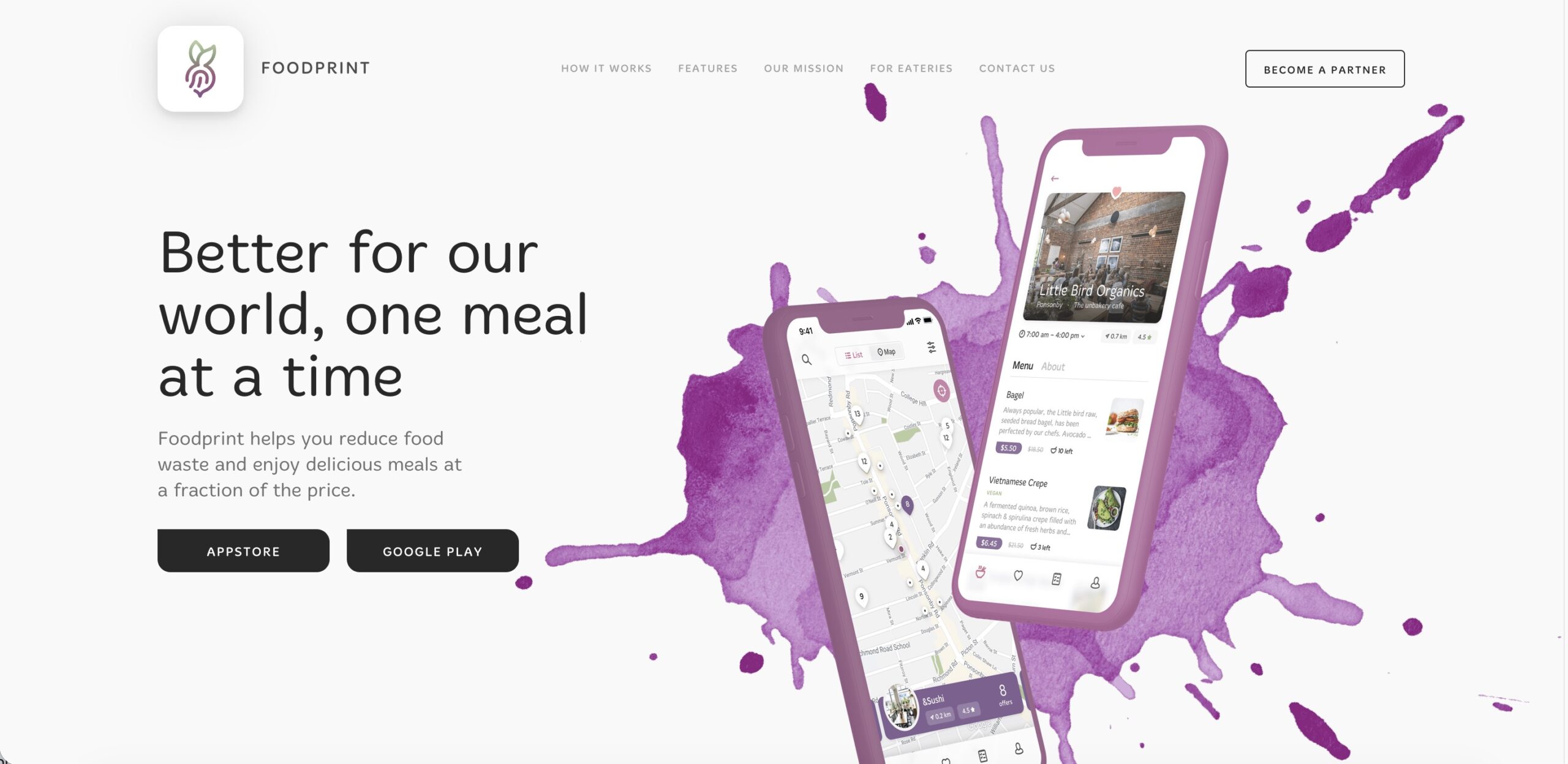
Are you wondering if the Foodprint app is the best way to handle the high cost of living in New Zealand?
If you live in New Zealand, cutting unnecessary spending is a part of daily life. For families and travelers alike, the price of bakery bread and eating out can be a significant burden. A single gourmet pie or a specialty loaf of bread can quickly add up.
Efficiency and practicality are essential when managing a household budget. I don’t believe in overspending on things that can be bought for less. Recently, I discovered a life-changing tip thanks to my wife. It involves using a “food rescue” tool that allows you to buy high-quality food at a massive discount.
My First Discovery: Le Bakermen Cafe & Bakery Story
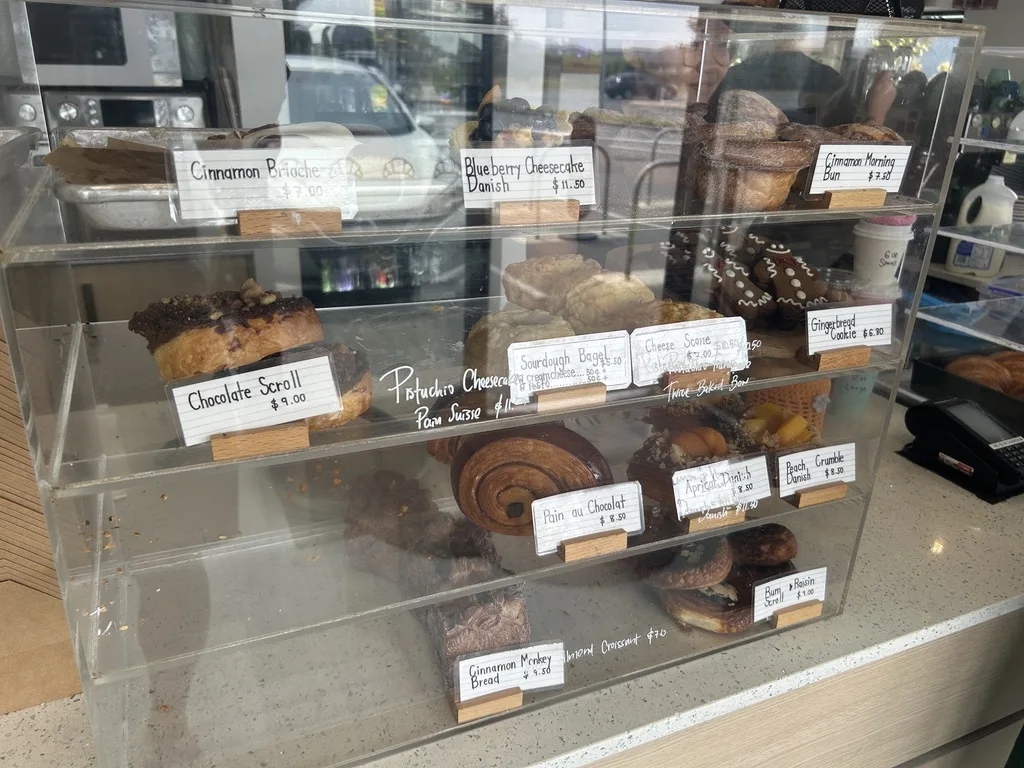
I didn’t find this app on my own. One evening, I came home from work to find our kitchen table covered in amazing pastries. We had gourmet pies and fresh sourdough from Le Bakermen Cafe & Bakery in Wigram, Christchurch.

I was worried about the cost. In New Zealand, a single almond croissant from a premium bakery usually costs around $7.00. A high-quality meat pie is often $9.00. Seeing a table full of them usually means a $50 bill.
However, my wife explained that she bought a huge haul for less than half the retail price. She had gone right before the bakery closed and used the app to secure the deal. That was my “aha” moment. I realized there was a legitimate, official way to buy high-quality food for cheap. As someone who values practical solutions, I was hooked.
The Realistic Reason to Use Foodprint: The Discount
The concept of the Foodprint app is very simple. Cafes and bakeries often have surplus food at the end of the day. Instead of throwing it away, they list it on the app for 30% to 50% off.
For a family like mine, the price reduction is the most important part. When the price of bread drops by half, a “luxury treat” becomes an “affordable snack.” Honestly, I don’t use the app just to be eco-friendly. I use it because it makes sense for my wallet.
In a world of rising inflation, finding a way to get “artisan” quality for “supermarket” prices is a win. This isn’t about being “cheap”—it’s about being smart with your money.
Why This App is Perfect for New Zealand Travelers
If you are visiting New Zealand, you will quickly find that food is one of your biggest expenses. Many travelers try to save money by eating instant noodles every night. While that saves money, you miss out on the amazing cafe culture that New Zealand is famous for.
The Foodprint app allows travelers to bridge that gap. You can stay in a campervan or an Airbnb and still eat gourmet sourdough for breakfast. It allows you to experience the “local” lifestyle without the “tourist” price tag.
While saving on snacks and bakery items is great, sometimes you want a proper sit-down dinner. For those occasions, I recommend First Table New Zealand for smart savings on pricey family dining, which offers 50% off your food bill at top restaurants. Using both apps together is the ultimate “Kiwi life hack” for food.
A Critical Look: Check Before You Buy
While the discounts are great, you must stay practical. This wouldn’t be an honest guide if I didn’t mention the downsides.
Most cafes sell fresh food made that same day. However, I have noticed some shops listing items that are close to—or even past—their Best Before dates. I believe selling expired food goes against the spirit of the app.
As a smart consumer, you should not just look at the price. Always check the “Best Before” description in the app. Only buy when you are sure the quality meets your standards for your family. If it looks like a soggy sandwich that has been sitting for 12 hours, skip it. Stick to baked goods like bread, muffins, and pies—they hold their quality much better.
The Win-Win-Win Structure: How Everyone Benefits
Using the Foodprint app is a logical system where everyone gets a benefit. It is a rare example of a “win-win-win” scenario.
- The Consumer: You get delicious food without spending a lot of money. Your wallet stays heavy, and you can enjoy small luxuries without guilt.
- The Shop: They make money from items they would have thrown in the bin. They also save on waste disposal costs. In New Zealand, commercial waste is expensive, so shops are happy to see food go to a home instead.
- The Environment: Every time we “rescue” a loaf of bread, we reduce food waste. This means less methane gas in landfills. It’s a nice bonus for everyone.
Pro Tips for Efficient Saving
The app is very simple to use. You check the map, see the “Food to Rescue” pins, and buy. However, I have developed a few habits to get the best deals consistently.
1. Set Up Favourites and Notifications
This is my most important tip. I have my favourite local spots, like Le Bakermen, saved in my Favourites list. I also have my notifications turned on.
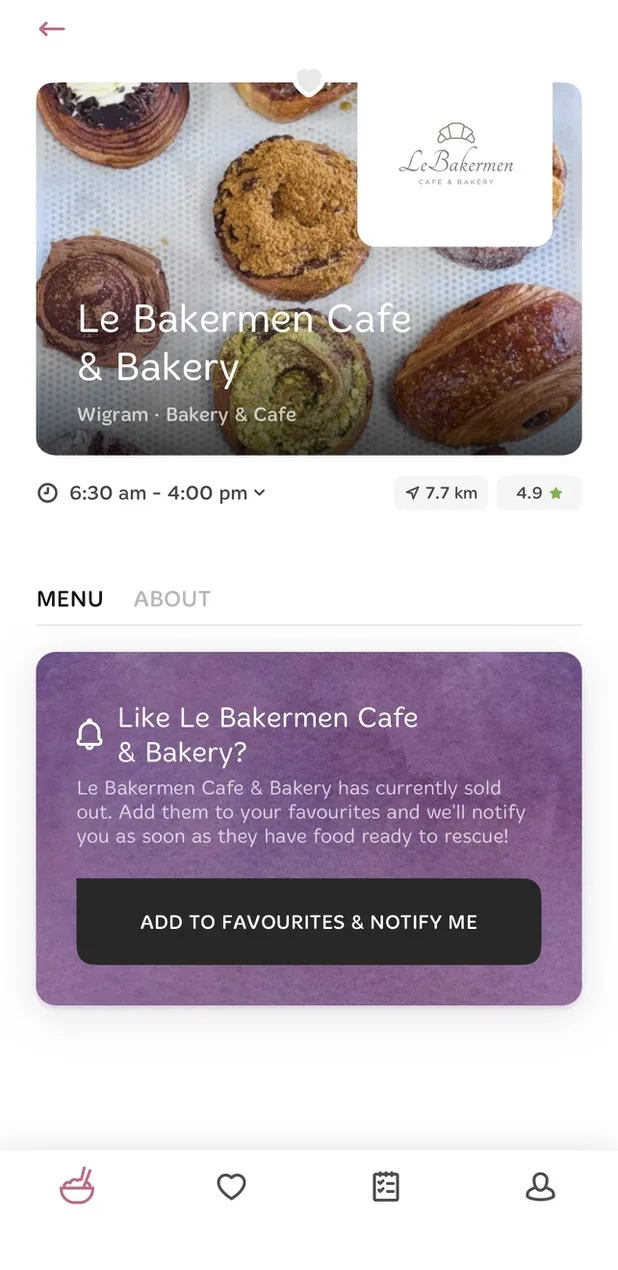
The best items sell out in seconds. When my phone alerts me, I take a quick look. If it’s something my family loves, I buy it immediately. You have to be fast if you want the best hauls. I don’t buy every day, but I am always ready when a good deal appears.
2. The Best Time to Check: The “Golden Hour”
I find that the “Golden Hour” is usually 2 to 3 hours before a cafe closes. For most New Zealand cafes, this is around 2:00 PM to 3:00 PM. This is when staff look at their glass cabinets and realize they won’t sell everything before 4:00 PM. This is when you will find the freshest leftovers.
3. Rainy Day “Gold Mines”
When it is raining in New Zealand, people stay home. This means cafes are often left with a massive amount of unsold food. On a rainy Tuesday, I have seen shops upload ten different types of sandwiches and five sourdough loaves at once. If you see rain on the forecast, keep the app open.
Why This Matters: The Statistics of Waste
To understand why the Foodprint app is so useful, look at the data in New Zealand. We are a small country, but we have a large waste problem.
- Statistic 1: According to Love Food Hate Waste NZ, New Zealand households throw away over 157,000 tonnes of food every year.
- Statistic 2: The total value of this wasted food is about $3.1 billion annually.
By using this app, you are helping to fix a massive economic leak. It’s a small action that makes a big difference to both your budget and the country’s resources.
Comparing Foodprint to Supermarket Shopping
Is it cheaper than the supermarket? Not always if you are comparing it to “Value” brand white bread. But if you compare quality, the Foodprint app wins every time.
- Supermarket Artisan Bread: Usually $7.00 – $8.50.
- Foodprint Artisan Bread: Usually $3.50 – $4.50.
If you are a traveler or a family who appreciates high-quality ingredients, the app allows you to maintain that standard without paying the premium price.
How to Get Started with the Foodprint App
Getting started is easy and takes less than five minutes:
- Download: Find the app on the Apple App Store or Google Play.
- Location: Enable GPS so you can see cafes in your current neighborhood. This is great for travelers moving between cities.
- Browse: Look for the green pins on the map or use the list view to see photos of the food.
- Order: Pay securely with your card and head to the store for pickup.
Realistic Expectations for Users
I want to keep this guide realistic. You won’t find a deal every single day. Some days, your favourite cafe might sell out of everything at full price. Other days, the app might be quiet.
Treat it like a “treasure hunt.” It’s an extra tool in your kit for living a balanced life in New Zealand. It is about those small moments where you get a “win” for your family.
FAQ: Frequently Asked Questions
1. Is it easy to pick up the food?
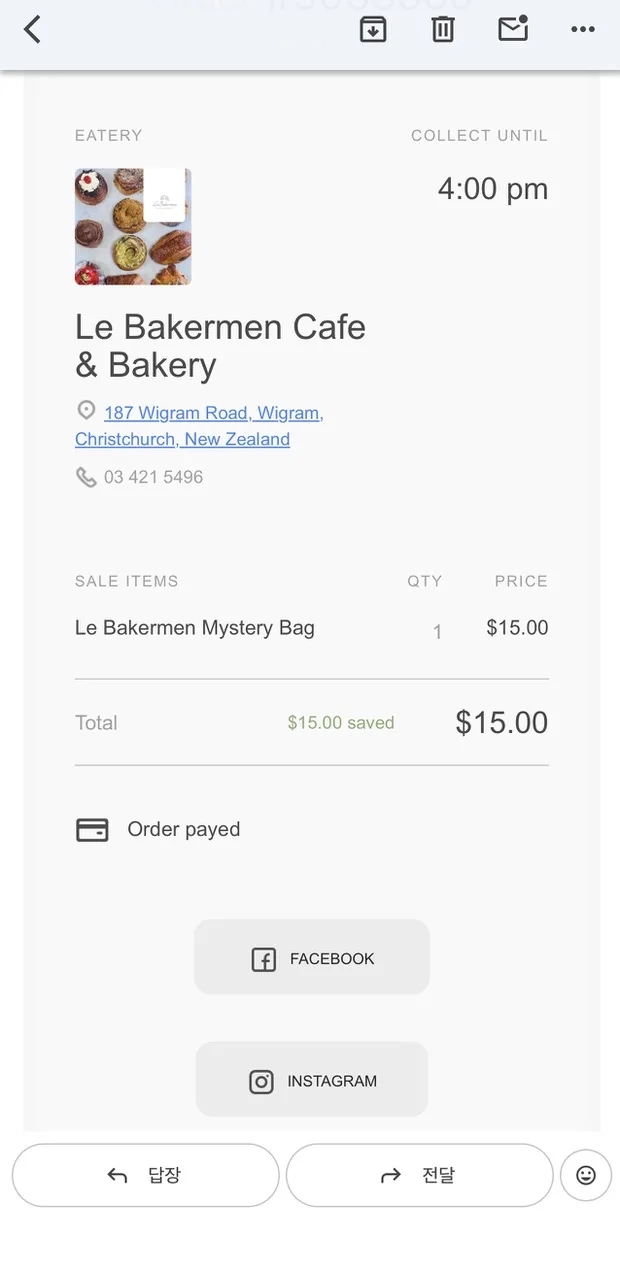
Yes. You pay in the app using your card. You just walk into the shop, show your digital receipt on your phone, and the staff will hand you your food. It takes less than a minute. You don’t have to wait in the normal coffee queue.
2. Is the food always fresh?
In my experience, most items are excellent. However, always check the listing details. Items like bread and pastries stay good for a long time, while fresh salads with dressing might lose quality faster.
3. Does it work everywhere in New Zealand?
It is most popular in cities like Auckland, Wellington, and Christchurch. If you are a traveler moving between these cities, it is the perfect way to eat well on a budget. If you are in a very remote area, you may not see many pins.
4. Can I use it if I have allergies?
The app allows you to filter for vegan or gluten-free options. However, because these are surplus items, always confirm with the staff at the counter if you have a severe allergy.
The Final Verdict
If you want to enjoy a little “extra” in your life without the financial guilt, the Foodprint app is a great tool. It is practical, efficient, and realistic. It fits the immigrant lifestyle perfectly—finding the best value in a new country.
Safe travels and smart spending!
📍 Foodprint is One of 5 Apps in Our Full Travel Stack
Cutting food costs on the road is one of the smartest moves on a NZ family trip. See how Foodprint stacks with the other tools — fuel, dining, hotels — in our complete budget guide.